Visibility and speed
- More information available at once
- Fast repetitive entry
- Fewer interruptions and extra steps
- Efficiency over guided simplicity
Case study 01 · GHCM
The important work was not the public website. It was a connected set of internal systems serving store managers, accounting staff, inventory users, marketing staff, and customers—each with a different view of the same business.
Context
GHCM grew from one clothing store to five locations in Brooklyn and Manhattan, with approximately fifteen full-time employees plus part-time staff at its peak. I was not an outside designer learning the operation through a short discovery phase; I was helping run it.
That proximity made the systems less abstract. Financial reporting, inventory control, targeted email, store operations, equipment, and staff workflows were parts of the same operating environment.
01 · Financial reporting
Store managers and accounting staff worked with the same financial information, but they organized it differently. The design preserved one source of truth while letting each role begin with the business question appropriate to its work.
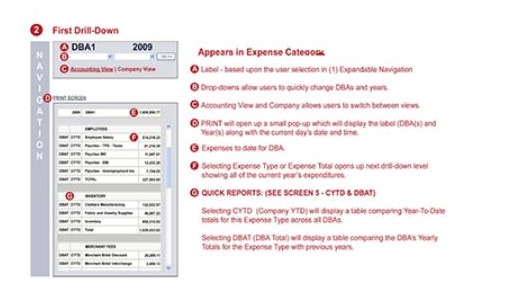
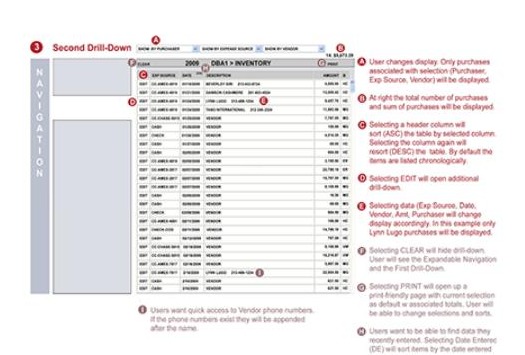
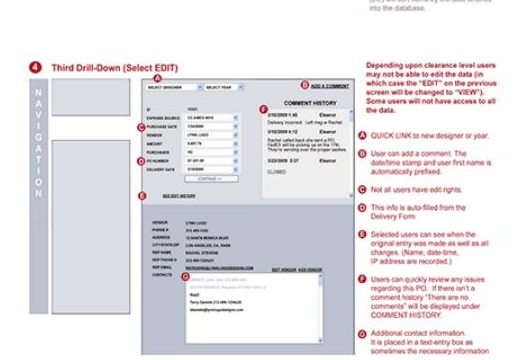
Company or store → expense category → individual transaction.
Progressive disclosure supported both scanning and investigation. Functions appeared at the level where they became relevant instead of competing for attention on the first screen.
02 · Inventory
Inventory users differed sharply in confidence and speed. Rather than force both groups through one compromised interface, the system offered two paths built around different kinds of simplicity.
03 · Customer communication
The email system did more than send a message. It let staff build audiences from buying characteristics—including designer, style, size, season, and occasion—and then independently select content and visual treatment.
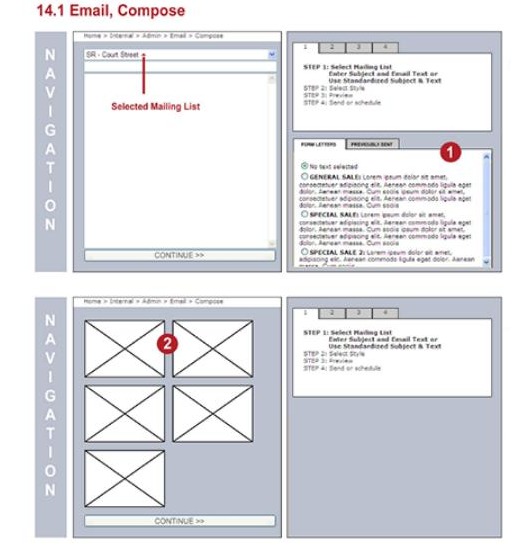
Separating those decisions allowed the audience, message, and presentation to vary independently while remaining part of one understandable workflow.
This is early evidence of a theme that appears much later in my career: customer information becomes valuable when it changes what the organization does next.
04 · External sites
The public sites establish breadth and implementation experience. But they were relatively simple portals. The stronger experience-design story was in the operational systems behind the business.
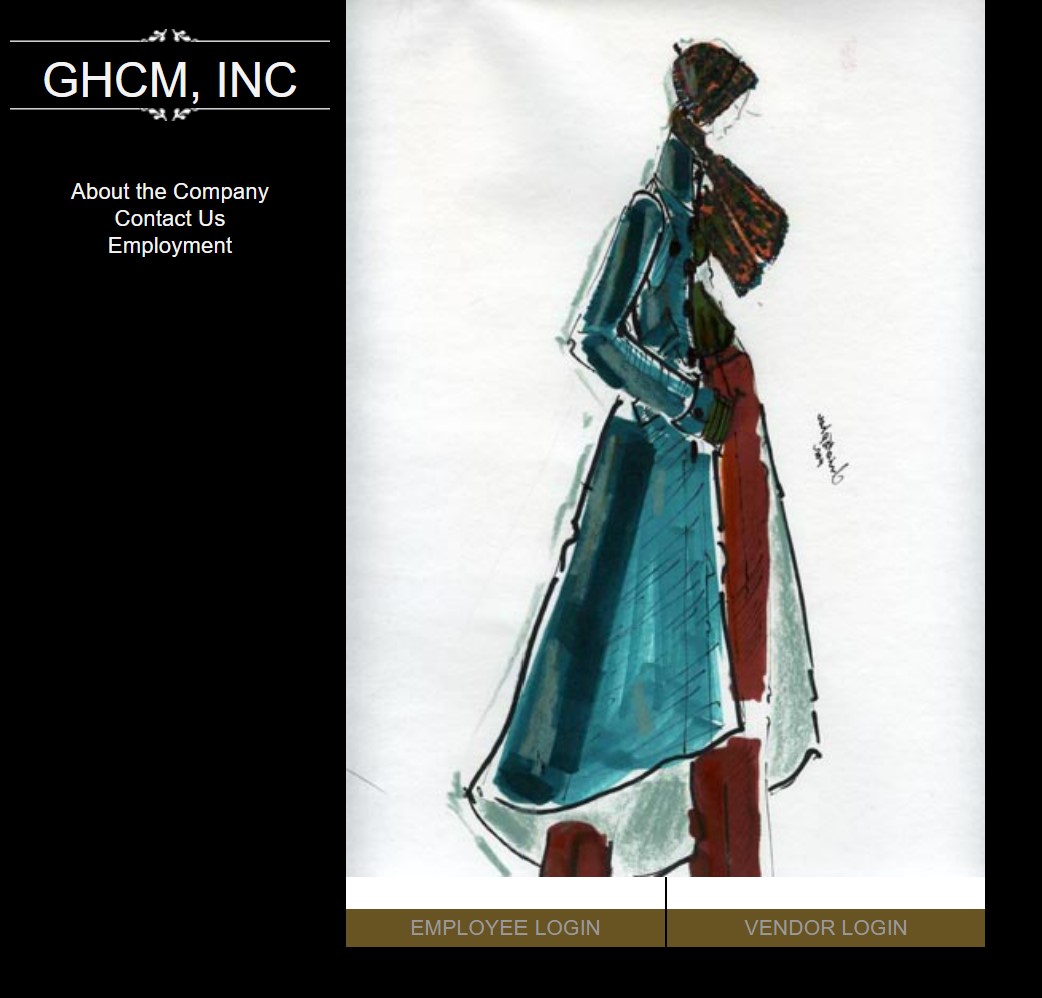
Role-based financial information, expert and guided inventory workflows, operational drill-down, accountability, and customer segmentation were the more substantial design problems.
The case is therefore about experience design across the operating system of a retail business—not simply web design for a retailer.
What the work left behind
These links also populate the artifact index under Work by Type. They belong to this case; the index simply provides another route to them.
Case takeaway
Accounting staff, store managers, expert operators, less-confident users, and marketing staff were not forced into the same representation. Shared systems were shaped around how each group needed to understand and act.
Continue through the chronological portfolio.